
Treatments for Neck Pain, Headaches & Postural Correction
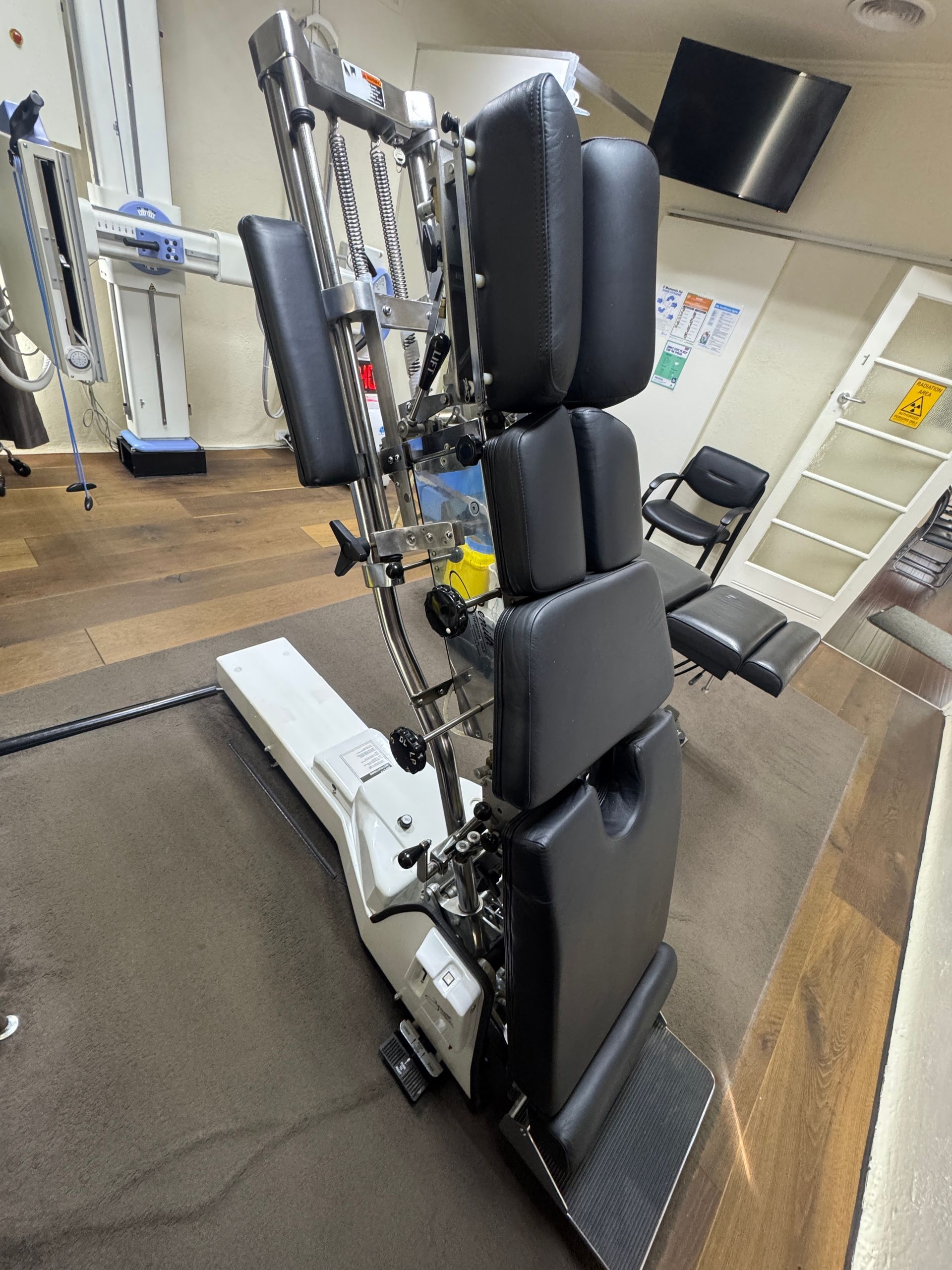
Victorian Chiropractic in Portland, VIC, provides detailed assessment and targeted treatment for neck pain, stiffness, and related headache conditions, with care plans designed to restore mobility and reduce strain on the cervical spine. Neck discomfort is increasingly common due to prolonged screen use, sedentary work environments, stress, and postural overload. When left unaddressed, neck dysfunction can contribute to chronic tension, reduced range of motion, nerve irritation, and recurring headaches.
The cervical spine supports the weight of the head while allowing significant mobility in multiple directions. Because of this flexibility, it is particularly vulnerable to muscular imbalance and joint restriction. At Victorian Chiropractic, care focuses on identifying mechanical causes of pain while supporting long-term stability, strength, and movement quality.
Common Causes of Neck Pain
Neck pain rarely develops without contributing factors. Identifying these drivers allows treatment to target the underlying source rather than temporary symptom relief.
Postural Strain & Desk-Based Work
Forward head posture, rounded shoulders, and prolonged sitting place excessive load on cervical joints and surrounding muscles. Over time, this may result in tight upper trapezius muscles, restricted joint movement, and tension-type headaches. Device use, including phones and laptops, commonly increases cervical strain.
Whiplash & Sudden Acceleration Injuries
Motor vehicle accidents and sudden impact injuries can strain ligaments, joints, and muscles in the neck. Even low-speed collisions may produce persistent stiffness or headaches if not properly assessed and managed.
Degenerative Changes & Joint Irritation
Age-related changes to cervical discs and facet joints are common findings. While degeneration alone does not always cause pain, inflammation or joint restriction in these structures may contribute to discomfort and reduced mobility.
Jaw Dysfunction & TMJ Stress
The temporomandibular joint (TMJ) works closely with cervical muscles and nerves. Jaw clenching, grinding, or TMJ dysfunction can increase muscular tension in the neck and contribute to headache patterns and facial discomfort.
Comprehensive Assessment & Diagnosis
At Victorian Chiropractic in Portland, VIC, neck pain evaluation begins with a detailed consultation and physical examination. Posture analysis, joint mobility testing, neurological screening, and muscle assessment help determine whether symptoms are mechanical, muscular, nerve-related, or referred from another structure.
On-site digital X-ray imaging is available when clinically indicated to assess structural alignment or rule out underlying pathology. Imaging is recommended only where examination findings suggest it is necessary.
Treatment Techniques for Neck Pain & Headaches
Neck pain management requires a careful and individualised approach. Treatment techniques are selected based on diagnosis, comfort level, and clinical findings.
Gentle Cervical Mobilisation
Mobilisation techniques are used to improve joint motion in restricted cervical segments. Restoring movement often reduces muscular guarding and improves overall flexibility.
Low-Force Chiropractic Adjustments
Low-force adjustments are applied with precision to improve spinal mechanics. These techniques aim to reduce joint irritation while supporting optimal nervous system function.
Cervical Traction & Decompression
Traction therapy may assist in relieving pressure on irritated discs or nerve pathways. This approach can benefit patients experiencing radiating symptoms into the shoulder or arm.
Soft Tissue Therapy & Dry Needling
Trigger point dry needling and vibro-percussive soft tissue therapy help reduce muscular tightness and improve circulation. These techniques are particularly useful in cases involving tension headaches or stress-related muscular overload.
Neck Pain & Headache Connections
Headaches are frequently linked to dysfunction in the upper cervical spine. Tension-type headaches often originate from muscular strain, while cervicogenic headaches arise from joint restriction in the neck.
Migraine sufferers may also experience neck stiffness before or during episodes. While chiropractic care does not cure migraines, improving cervical mechanics may assist in reducing frequency or intensity for some patients.
Postural Correction & Long-Term Prevention
Sustainable improvement involves more than in-clinic treatment. Victorian Chiropractic in Portland, VIC, provides practical advice tailored to daily routines and occupational demands.
Recommendations may include:
- Workstation setup adjustments
- Screen height optimisation
- Strengthening deep neck stabiliser muscles
- Stretching tight anterior chest and shoulder muscles
- Managing stress-related muscular tension
Corrective exercises are prescribed based on assessment findings to support lasting improvement.
When to Seek Professional Assessment
Persistent stiffness lasting more than several days, headaches accompanied by neck restriction, tingling or numbness in the arms, or discomfort following an accident should be assessed promptly. Early intervention often reduces the likelihood of chronic dysfunction.
Neck Pain FAQs
What types of headaches are related to neck dysfunction?
Tension headaches and cervicogenic headaches are most commonly associated with neck joint and muscle restriction. A detailed assessment helps differentiate these from migraine or other neurological headache types.
Is chiropractic treatment for the neck safe?
Treatment techniques are selected following thorough examination to ensure they are appropriate for each individual. Low-force options are available for patients who prefer gentler approaches.
Can poor posture alone cause neck pain?
Yes. Sustained forward head posture and prolonged device use can overload cervical muscles and joints, leading to stiffness and discomfort over time.
How long does recovery usually take?
Mild mechanical neck pain may improve within a few visits, while chronic or injury-related cases may require structured care over several weeks.
Should I avoid exercise if I have neck pain?
Complete rest is rarely recommended. Guided mobility exercises and strengthening programmes often support recovery more effectively than prolonged inactivity.
Find relief from neck stiffness and headaches by calling 0412 952 532 or (03) 5523 6131 now.