Targeted Muscle Recovery & Soft Tissue Rehabilitation
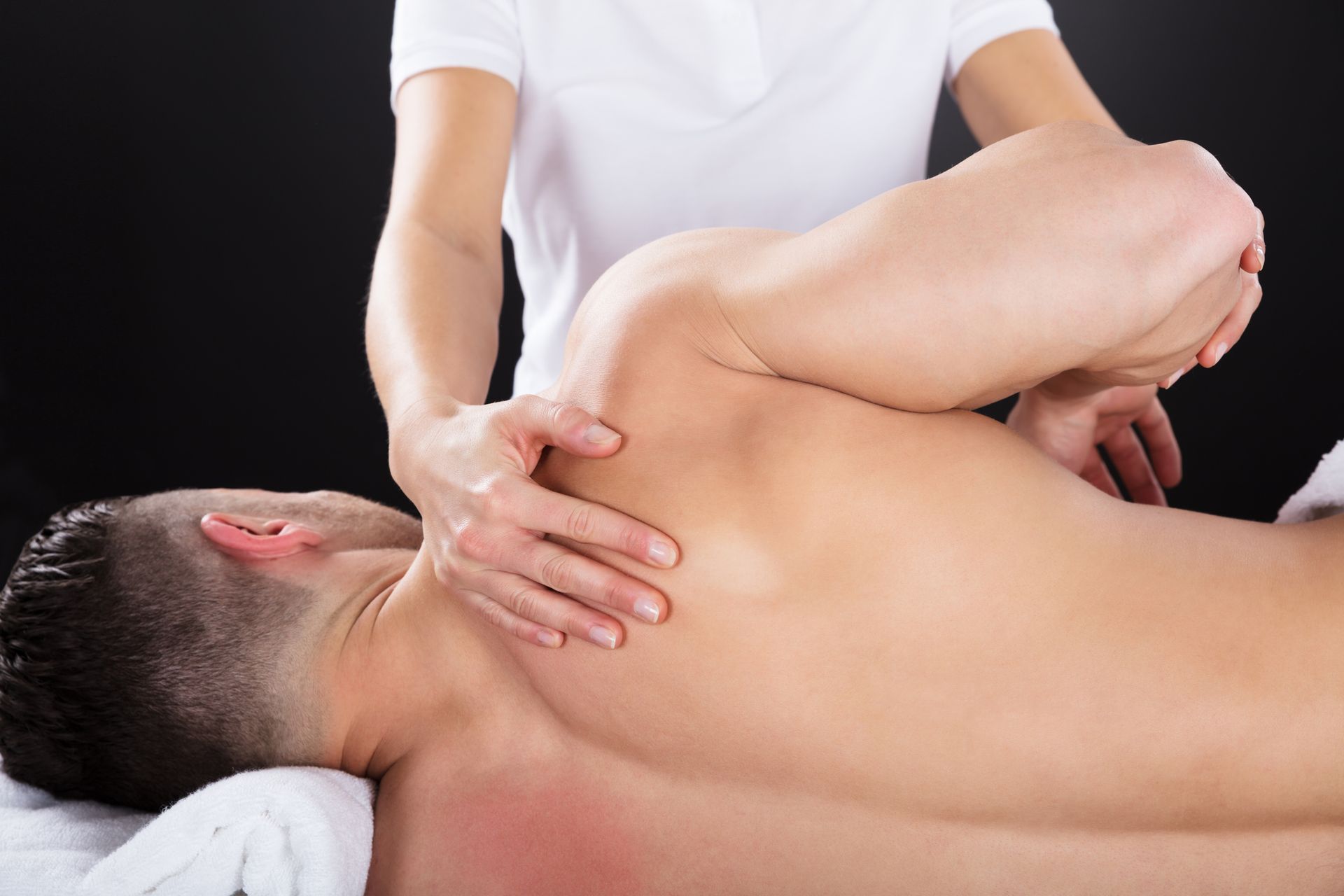
Victorian Chiropractic in Portland, VIC, provides advanced soft tissue therapy designed to address muscular tension, trigger points, movement restriction, and chronic overload patterns, supporting improved mobility and long-term musculoskeletal function. While joint dysfunction is often associated with pain, soft tissue structures such as muscles, tendons, fascia, and connective tissue play an equally important role in how the body moves and feels.
When muscles become tight, fatigued, or imbalanced, they can restrict joint motion, compress nerves, and contribute to ongoing discomfort. Soft tissue therapy at Victorian Chiropractic is integrated with chiropractic care to provide a comprehensive and targeted approach to recovery.
Understanding Soft Tissue Dysfunction
Soft tissue dysfunction occurs when muscles or connective tissues are overloaded, strained, or unable to recover properly. This may develop due to repetitive movement, poor posture, sporting demands, workplace strain, or previous injury.
Muscle Tightness & Trigger Points
Trigger points are hyperirritable spots within muscle fibres that may cause local tenderness or referred pain into other areas. These tight bands can limit movement and contribute to headaches, shoulder pain, hip discomfort, and lower back strain.
Tendon Irritation & Overuse
Repetitive activity without adequate rest may irritate tendons, leading to inflammation and reduced strength. Conditions such as tennis elbow, plantar fasciitis, and shoulder tendinopathy often involve soft tissue overload.
Fascial Restriction & Reduced Mobility
Fascia is connective tissue that surrounds muscles and organs. When fascial layers become restricted, movement can feel stiff or limited, even in the absence of acute injury.
Dry Needling & Trigger Point Therapy
Trigger point dry needling is a targeted technique used to reduce muscular tension and stimulate healing. Fine, sterile needles are inserted into specific trigger points to encourage relaxation of tight muscle fibres and improve circulation.
Dry needling may assist with:
- Chronic neck and shoulder tension
- Lower back muscular tightness
- Hip and gluteal pain
- Sports-related muscle overload
- Headache patterns linked to muscle strain
Treatment is carefully applied following assessment and adjusted to individual tolerance levels.
Vibro-Percussive Soft Tissue Therapy
Vibro-percussive therapy uses controlled mechanical stimulation to promote circulation, reduce muscle stiffness, and enhance tissue mobility. This technique can be particularly beneficial for patients experiencing:
- Post-exercise muscle soreness
- Restricted shoulder or hip movement
- Chronic muscular guarding
- Recovery from repetitive strain
By improving blood flow and reducing tightness, vibro-percussive therapy supports tissue repair and prepares muscles for rehabilitation exercises.
Integrating Soft Tissue Therapy & Chiropractic Care
At Victorian Chiropractic in Portland, VIC, soft tissue therapy is rarely used in isolation. Instead, it complements joint mobilisation and low-force adjustments to address both muscular and structural contributors to pain.
For example, restricted spinal joints may cause surrounding muscles to compensate and tighten. Addressing both the joint and the muscle improves treatment outcomes and supports longer-lasting results.
This integrated approach may benefit patients experiencing:
- Chronic low back pain
- Neck stiffness and tension headaches
- Shoulder and hip bursitis
- Plantar fasciitis
- Elbow pain such as tennis or golfer’s elbow
Soft Tissue Therapy for Sports & Workplace Demands
Athletes and manual workers frequently place high demand on their muscles and connective tissues. Even office-based workers can develop soft tissue overload due to sustained static posture.
Soft tissue therapy can assist with:
- Improving recovery between training sessions
- Reducing stiffness from repetitive tasks
- Supporting return to sport following injury
- Enhancing mobility before progressive strengthening
Treatment plans are tailored to the physical requirements of each patient’s lifestyle and occupation.
Chronic Pain & Muscle Imbalance
Chronic pain often involves persistent muscle guarding and altered movement patterns. Over time, certain muscles become overactive while others weaken. This imbalance can perpetuate discomfort even after the original injury has healed.
Victorian Chiropractic in Portland, VIC, combines soft tissue therapy with corrective exercise programmes to retrain proper muscle activation and restore balanced movement.
What to Expect During Treatment
Soft tissue sessions begin with assessment of muscular tension, range of motion, and pain patterns. Techniques are selected based on clinical findings and patient comfort.
Some mild post-treatment soreness may occur as tissues adapt to improved mobility. This typically resolves within 24 to 48 hours.
Patients may also receive guidance on stretching routines, strengthening exercises, hydration, and recovery strategies to support ongoing improvement.
Soft Tissue Frequently Asked Questions
Is dry needling the same as acupuncture?
Dry needling differs from traditional acupuncture in both philosophy and application. It is based on modern musculoskeletal assessment and targets specific trigger points within muscles.
Does soft tissue therapy hurt?
Some techniques may produce mild discomfort when tight areas are addressed, but treatment is adjusted to remain within patient tolerance levels.
How many sessions will I need?
The number of treatments depends on the severity and duration of symptoms. Acute muscle tightness may improve quickly, while chronic patterns may require structured care.
Can soft tissue therapy help plantar fasciitis?
Yes. Addressing tight calf muscles and fascial restrictions in the lower limb may reduce strain on the plantar fascia.
Is soft tissue therapy suitable alongside other treatments?
Yes. It is commonly integrated with chiropractic care, rehabilitation exercises, and injury management programmes for comprehensive support.
Relieve muscle tension and tightness by calling 0412 952 532 or (03) 5523 6131 to book.